From food and farming to homes and communities, Integrated Pest Management or (IPM) encompasses many settings, disciplines, and people, but this fact is not always known or understood. Learn more about the IPM process, the people who practice it, and available applied resources.
About IPM
Learn about the process that manages pest damage in a way that identifies and minimizes both economic costs and risks to people, property, and the environment.
Highlighting the People and the Process of Integrated Pest Management
This is IPM demonstrates how real-world challenges are solved by real-life people implementing IPM.
It unravels the IPM network, explains the process of IPM, explores pests like insects, diseases, and weeds, and shares resources. Most importantly, “This is IPM” tells the story of how science, practice, and people come together to protect crops, farms, families, forests, homes, businesses, parks, schools, and more.
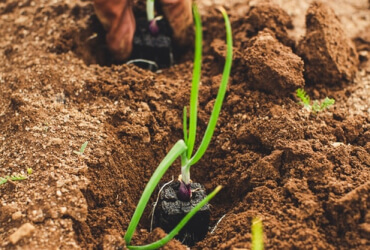
Pretty IPM picture - bicocontrol img?
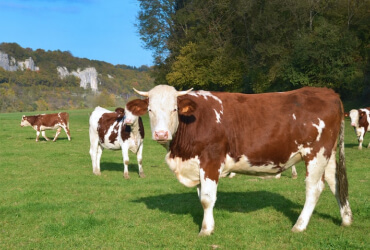
Pretty IPM picture (maybe featuring people)
Featured Resources
Simple Solution To Healthy Food Habit
As we provide fresh and home grown products, you are always welcome to explore our natural product lines and opt for the healthy food habit easily.
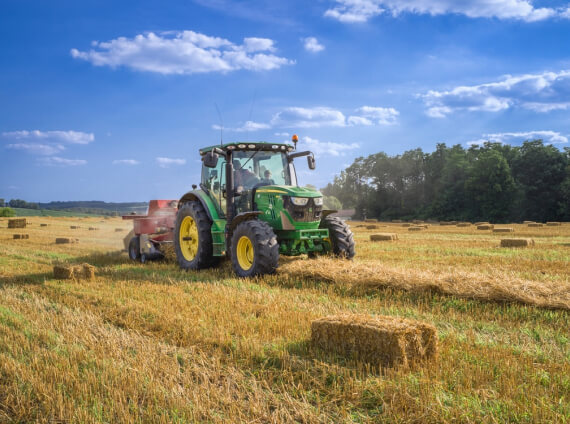
I think agriculture is the ultimate solution for the growing world. That’s why I believe in making hay when the sun shines. It will eventually help us big time.
The IR-4 Project helps specialty crop growers address pest management concerns so they can produce healthy fruits, vegetables, herbs, and other crops recommended for a healthy diet; as well as flowers, shrubs, and landscape plants that enhance our environment.
The CPN enhances the visibility and success of agricultural extension while providing important crop protection information to farmers, agribusiness, and educators. Their goal is to communicate relevant information to farmers and agricultural personnel to help with decisions related to protecting alfalfa, corn, cotton, small grains, and soybean.
The mission of National Plant Diagnostic Network (NPDN) is to support plant health and biosecurity in U.S. agricultural and natural ecosystems by providing expert diagnostic capacity, communication, coordination, and quality pest and disease diagnostic information.
Sustainable Agriculture Research and Education (SARE) offers farmer-driven, grassroots grants and education programs. Since 1988, SARE grantees have been putting the principles of sustainable agriculture into practice on farms and ranches in every state and island protectorate.
The IR-4 Project helps specialty crop growers address pest management concerns so they can produce healthy fruits, vegetables, herbs, and other crops recommended for a healthy diet; as well as flowers, shrubs, and landscape plants that enhance our environment.
The CPN enhances the visibility and success of agricultural extension while providing important crop protection information to farmers, agribusiness, and educators. Their goal is to communicate relevant information to farmers and agricultural personnel to help with decisions related to protecting alfalfa, corn, cotton, small grains, and soybean.
The mission of National Plant Diagnostic Network (NPDN) is to support plant health and biosecurity in U.S. agricultural and natural ecosystems by providing expert diagnostic capacity, communication, coordination, and quality pest and disease diagnostic information.
Sustainable Agriculture Research and Education (SARE) offers farmer-driven, grassroots grants and education programs. Since 1988, SARE grantees have been putting the principles of sustainable agriculture into practice on farms and ranches in every state and island protectorate.
Improve Your Prorgam 🙂
Still & Video Animations
Lorem ipsum dolor sit amet, consectetur adipiscing elit. Ut elit tellus, luctus nec ullamcorper mattis, pulvinar dapibus leo.
IPM Toolkits & Resources
Lorem ipsum dolor sit amet, consectetur adipiscing elit. Ut elit tellus, luctus nec ullamcorper mattis, pulvinar dapibus leo.
Shareable Media Kit
Lorem ipsum dolor sit amet, consectetur adipiscing elit. Ut elit tellus, luctus nec ullamcorper mattis, pulvinar dapibus leo.
IPM Information
Lorem ipsum dolor sit amet, consectetur adipiscing elit. Ut elit tellus, luctus nec ullamcorper mattis, pulvinar dapibus leo.
The “This is IPM” Initiative is managed by the Southern IPM Center. The Regional IPM Centers are supported by the USDA National Institute of Food and Agriculture through agreement 2022-70006-38002. Any opinions, findings, conclusions, or recommendations expressed in this publication are those of the author(s) and should not be construed to represent any official USDA or U.S. government determination or policy.